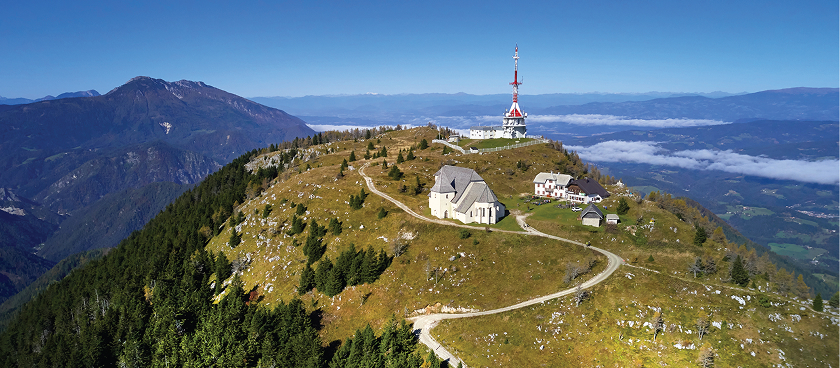
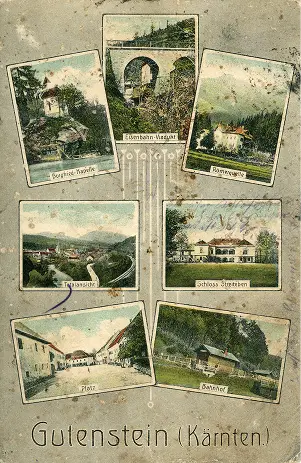
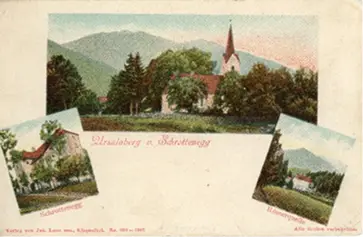
At the foot of Uršlja gora, in the peaceful Kotlje valley, at the junction of the carbonate rocks of the Northern Karavanke and the metamorphic rocks of the Eastern Alps, a mineral water spring emerges. Through fault lines, water breaks through from the depths, feeding sandy-gravel layers and creating the characteristic “sour water,” which locals valued long before it was named Kotlje mineral water from Rimski vrelec in the 19th century.
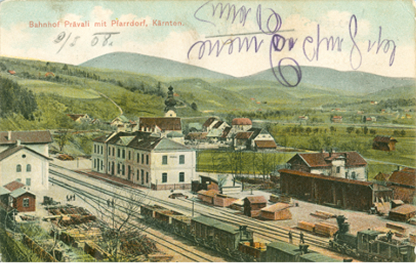
The natural backdrop of the sub-Alpine environment, surrounded by Uršlja gora, Peca, Pohorje, and Golica (German: Koralpe), created a healing climate, attractive to patients and visitors seeking help in treating chronic diseases. The flourishing iron industry in nearby Guštanj (today Ravne na Koroškem), Prevalje, Črna, and Mežica, along with the construction of new road connections and the Celovec–Maribor railway line in 1863, accelerated the development of the health resort and facilitated easier access to the areas beneath Uršlja gora. By the end of the 19th century, Rimski vrelec became a popular excursion and health resort destination, accessible on foot, by carriage, and later by modern means of transport.