Water and Health
Comparisons of Kotuljska slatina with well-known European springs
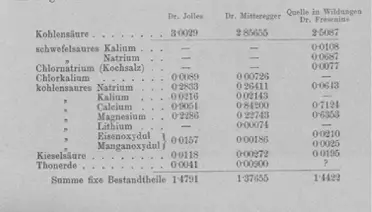
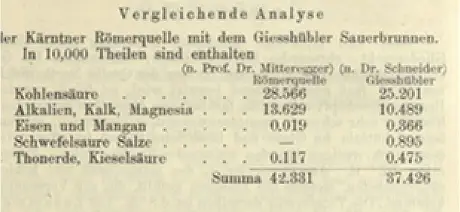
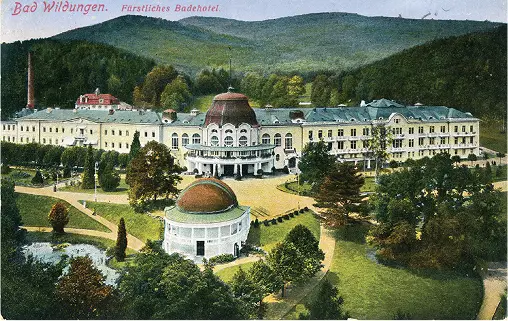
Kotuljska slatina was often compared with established European springs, such as Stahlbrunn near Gleichenberg in Austrian Styria, and Giesshübl and Wildungen in Germany, which are known for balneotherapy. The water of Rimski vrelec was classified as a hydrogen carbonate acidic mineral water without sulphur compounds, with a distinctive taste and a high content of free carbonic acid. In the past, the spring contained hydrogen sulphide.
Kosmas Schütz protected the spring from surface water and eliminated the smell of sulphur, ensuring the stability and purity of the water. At the end of the 19th Over the centuries, Rimski vrelec also received awards for the quality of its water and spa resort.
The analyses showed an elevated iron content, so the removal of excess iron was required before bottling. Nevertheless, the water was in stable carbonate equilibrium and technologically undemanding to process. In terms of sensory characteristics, it was comparable to waters from Rogaška Slatina and Radenci, as well as to the foreign springs Wildungen in Germany and Piwniczna in Poland. It retained its pleasant taste, freshness and stability even after prolonged storage, confirming its high quality.